
Shop Ammunition for Sale Online – Browse Pistol, Rifle & Shotgun Ammo
A shooter loading magazines for a weekend range session can find exactly the right type of rounds among the various calibers and grain weights offered in each box of ammunition for sale. Each cartridge functions as a self-contained unit, combining primer, propellant, and projectile to deliver reliable ignition and controlled expansion on impact. Selecting the appropriate bullet design—such as full metal jacket for target practice or hollow point for defensive use—ensures consistent accuracy and terminal performance. Ammunition for sale provides users with a straightforward, ready-to-use solution for their firearm, requiring only proper storage and handling for dependable function.
Finding the Right Caliber for Your Firearm
When browsing ammunition for sale, the caliber must match your firearm’s barrel stamp and manufacturer specifications precisely—never guess based on visual similarity, as a .308 Win won’t chamber safely in a 7.62 NATO rifle built for tighter tolerances. For defensive use, choose a caliber with proven terminal ballistics like 9mm or .45 ACP, balancing recoil control against stopping power; for hunting, select a round that delivers adequate energy at your expected range, such as .30-06 for larger game. Always buy a few boxes from different lots and test for feeding reliability and accuracy before stocking up. Pressure signs like flattened primers or difficult extraction indicate an overpressure mismatch—stop immediately. Q&A: *What’s the first step to confirm the right caliber?* Check the stamp on the barrel or slide, then cross-reference the manufacturer’s manual. If you’re between two similar calibers, use only the one explicitly printed on the firearm.
How to Match Cartridge Specifications to Your Gun’s Chamber
Before purchasing ammunition, always verify the cartridge designation stamped on the barrel against the chamber’s specific dimensions, not just the caliber name. A .308 Winchester round, for instance, is dimensionally identical to a 7.62×51, but the chamber’s throat length and pressure limits differ, so firing the wrong spec can cause excessive pressure. Measure case length and headspace with calipers or a gauge, as even slight variances in rim thickness or shoulder angle affect seating and ignition. Cross-reference the manufacturer’s manual for the exact cartridge overall length (COAL) your rifle’s magazine and rifling accept. For bolt actions, check that the bolt closes smoothly on a factory round; any resistance indicates a mismatch. Buying from reputable sellers who list SAAMI specs ensures 7mm Rem Mag Ammo for Sale you match the chamber’s precise cartridge profile.
Always match case length, headspace, and COAL to your chamber’s documented dimensions, not just the caliber label, to ensure safe function.
Popular Calibers for Self-Defense vs. Target Practice
When you’re buying ammo, the split between self-defense and target practice comes down to what each round does best. For carrying, popular calibers for self-defense vs. target practice usually means picking 9mm or .380 ACP for reliable expansion and manageable recoil in a tight moment. At the range, though, you’ll want cheaper, lighter loads like .22 LR or .38 Special wadcutters to save cash and reduce wear. A 9mm works for both, but defensive hollow points cost more than FMJ practice rounds. Match your caliber to the job—don’t train with hot defensive ammo daily.
| Caliber | Self-Defense | Target Practice |
|---|---|---|
| 9mm | Hollow points, proven stop | FMJ, affordable and soft |
| .380 ACP | Compact carry, mild snap | Less common, pricier |
| .22 LR | Weak, not ideal | Cheapest, zero recoil |
| .45 ACP | Heavy punch | Expensive, sharp kick |

Understanding Bullet Grain Weight and Its Effect on Recoil
When comparing ammunition for sale, **bullet grain weight** directly dictates felt recoil. Heavier grains, like a 230-grain .45 ACP, produce a slower, sharper push because they require more propellant gas to accelerate. Lighter grains, such as a 115-grain 9mm, exit faster but generate a snappier, higher-frequency kick. For practical shooting, selecting a grain that cycles your firearm reliably matters more than raw power—a heavier load may feel punishing during rapid fire, while an underweight round can cause malfunctions. Always test a box of each grain against your grip and stance. Match your grain weight to your recoil tolerance before bulk-buying any ammunition for sale.
Q: Does a heavier bullet always mean more recoil?
A: Yes, but the sensation shifts—heavier grains create a slower, longer shove, while lighter grains create a sharp, quick snap. Choose based on which feel you control better.
Decoding Bullet Types and Their Practical Uses
When browsing ammunition for sale, decoding bullet types is the difference between a reliable tool and a costly misfire. Full metal jacket (FMJ) rounds offer deep penetration and reliable feeding, making them ideal for range practice and competition where barrier blindness is less critical. Hollow points, conversely, expand on impact, transferring maximum energy into soft tissue—the prudent choice for personal defense and stopping threats quickly without over-penetration. Soft point 7mm Rem Ultra Mag Ammo for Sale bullets balance deep penetration with controlled expansion, suiting hunting in brush or timber. For tactical or law enforcement use, bonded jacketed hollow points ensure weight retention through auto glass and drywall. Before you buy, match the bullet’s terminal performance to your specific scenario:
Never purchase ammunition for sale based solely on caliber—the bullet’s construction dictates its real-world effectiveness, so prioritize expansion, penetration depth, and feeding reliability over price per round.
This decoding turns a box of cartridges into a decisive, purpose-built solution.
Full Metal Jacket vs. Hollow Point: Which Performs Better

When choosing between FMJ and hollow point for sale, the decision hinges on intended use. Full Metal Jacket vs. Hollow Point performance diverges sharply on impact: FMJ’s full copper jacket resists deformation, penetrating barriers cleanly but often passing through a target, reducing energy transfer. Hollow points expand on impact, creating a larger wound channel and stopping threats faster, with minimal over-penetration risk. However, FMJ feeds more reliably in semi-automatic pistols and is typically cheaper for range practice. For self-defense, hollow points excel; for training or competitions, FMJ is the practical, cost-effective pick. Matching the projectile to the task is the only correct answer.
Soft Point and Bonded Bullets for Hunting Scenarios
For hunting scenarios, soft point and bonded bullets for hunting scenarios each offer distinct terminal performance. Soft point rounds expand rapidly upon impact, creating a wide wound channel ideal for thin-skinned game like deer at moderate ranges, but they may fragment heavily on heavy bone. Bonded bullets, such as those with a copper jacket fused to the lead core, retain more weight and penetrate deeper, making them suitable for larger, tougher animals like elk or boar. When buying ammunition, choose soft points for quick, humane kills in open terrain, and opt for bonded loads when shots may encounter dense muscle or shoulder blades.
Frangible Rounds for Close-Range and Steel Plate Shooting
For close-range and steel plate shooting, frangible rounds for close-range and steel plate shooting are engineered to disintegrate upon impact with hard surfaces, drastically reducing ricochet and splash-back risks. Their compressed copper-tin cores shatter into fine dust when striking steel targets, preserving target integrity and shooter safety. Reduced lead exposure and lower penetration make them ideal for indoor ranges and tactical drills at distances under 25 yards. However, they lose effectiveness on soft targets, so reserve them strictly .50 Cal Ammo for Sale for metal or reactive practice.
Q: Do frangible rounds damage AR500 steel plates?
A: No—they fragment on contact with 9mm Ammo for Sale hardened steel, leaving only minor surface dust, unlike full metal jacket rounds which can crater or pit the plate over time.
Key Factors That Determine Ammunition Quality and Performance
When evaluating ammunition for sale, the decisive factors are consistency in case dimensions, primer seating depth, and powder charge weight—all verified by lot-to-lot uniformity from the manufacturer. Bullet construction (jacket thickness, core hardness, and cannelure placement) dictates terminal expansion and bore fouling, while brass alloy composition and annealing quality determine reloadability and pressure tolerance. Seating depth and crimp tension directly influence velocity consistency and chamber pressure, which you must match to your firearm’s barrel twist and throat length. Inspect for uniform primer pockets and absence of sealant voids, as these cause ignition variability.
Always buy from a maker that specialty sports and supply publishes ballistic test data with tight standard deviations—under 15 fps for rifle rounds—since that metric reveals overall production discipline.
Finally, verify the cartridge overall length against your magazine and chamber, because even premium ammunition for sale fails if it won’t feed reliably.

Examining Primer and Casing Consistency for Reliable Ignition
When evaluating ammunition for sale, primer and casing consistency directly dictates ignition reliability. Uniform primer seating depth ensures the firing pin strike transfers energy predictably, preventing misfires or hang-fires. Casing wall thickness and rim uniformity must be consistent across a batch, as variance alters chamber pressure and extraction. Inspect primer crimp style—military-style crimps require stronger strikes, while boxer primers demand clean pockets. Even minor annular gaps between primer and pocket can allow gas leakage, degrading ballistic stability. Compare headstamp markings and case weight within a box; deviations beyond 2% signal poor manufacturing 9×18 Makarov Ammo for Sale control.
How Powder Charge Variations Affect Accuracy and Velocity
In factory ammunition, **powder charge variations** directly shift muzzle velocity and point of impact. A heavier charge increases pressure, raising velocity and flattening trajectory, but it also intensifies recoil and can escalate vertical stringing at distance. Conversely, a lighter charge reduces speed, causing a lower impact point and potentially unstable ignition if it falls outside the optimal burn window. Even tiny charge discrepancies—as little as 0.1 grain—produce measurable velocity spreads (ES/SD), which degrade group consistency, especially beyond 100 yards. For consistent accuracy, seek lots with minimal charge deviation, as uniform charges ensure predictable barrel harmonics and repeatable bullet flight.
Powder charge variations alter velocity and pressure, producing vertical shot dispersion; consistent charges are essential for tight, 9.3x62mm Mauser Ammo for Sale predictable groups.
Signs of Poor Manufacturing to Avoid When Buying Bulk Loads
When buying bulk loads, inspect the cartridge case mouths for cracks, splits, or unevenly rolled crimps—these indicate brittle brass that can fail during feeding. Signs of poor manufacturing to avoid when buying bulk loads include inconsistent bullet seating depth, where cartridges vary visibly in overall length, leading to pressure spikes or misfeeds. Check primer seating: primers that sit proud of the case head or appear off-center signal careless press setup and risk hangfires. Also, reject lots with heavy soot around the neck or corroded, discolored cases, as these point to substandard propellant or improper storage. Finally, weigh a random sample—extreme weight variance among identical loads reveals sloppy powder metering, compromising accuracy and safety.
Q: What is the fastest visual clue to spot poorly made bulk ammunition?
A: Inconsistent bullet seating depth across multiple cartridges is the fastest clue—if lengths differ by more than a few thousandths of an inch, reject the lot.
Practical Tips for Storing and Preserving Your Purchased Rounds
To protect your investment in ammunition for sale, prioritize a cool, dry environment with stable temperatures, as humidity is the primary enemy of stored rounds. Use airtight, sealed containers like military-style ammo cans with rubber gaskets, adding desiccant packs to absorb residual moisture. Avoid storing your purchased rounds in basements or garages where condensation and temperature swings accelerate corrosion and powder degradation. Rotate your stock by placing newer purchases at the back and using older ammunition first, ensuring freshness and reliable ignition. Finally, keep rounds in their original factory boxes inside the cans, as this prevents bullet setback and primer damage from jostling, preserving their integrity for years. Proper ammunition storage tips like these are vital, and knowing how to preserve rounds ensures your supply remains dependable for the range or emergencies.
Ideal Temperature and Humidity Levels to Prevent Corrosion
To keep your purchased rounds in top shape, aim for a stable, cool environment—ideally between 60–70°F. Heat speeds up chemical reactions, so avoid attics or garages that bake in summer. The real game-changer is humidity: keep it between **30% and 50% RH**. Below 30%, primers can dry out; above 50%, moisture invites rust and green corrosion on cases. Use silica gel packs or a rechargeable dehumidifier in your ammo can. Check occasionally—if bullets feel tacky or cases look dull, humidity is creeping up. Consistency beats extremes, so avoid rapid swings.
- Store ammo off concrete floors—moisture wicks up through them.
- Add desiccant packs and replace them every 3–6 months.
- Use a hygrometer to monitor humidity inside the container.
- In humid climates, seal cans with rubber gaskets plus desiccant.
Proper Ammo Can and Desiccant Usage for Long-Term Storage
For long-term storage, skip flimsy cardboard and grab a proper ammo can—ideally a sealed metal one with a rubber gasket. Before sealing your purchased rounds inside, toss in a few silica gel desiccant packets to suck out any lurking moisture. Always let the can air out indoors for an hour before locking it, since cold ammo can condense water inside. Check the desiccants every six months; if they’ve changed color, bake them dry or swap in fresh ones. This tiny habit keeps primers and powder happy for decades, so your stash stays ready when you need it.

Rotating Your Stockpile to Maintain Freshness and Dependability
Rotating your stockpile ensures that ammunition reliability over time remains consistent, as Ammunition for Sale even sealed rounds degrade from temperature swings and humidity. Adopt a first-in, first-out (FIFO) system: place newly purchased ammunition behind older boxes on your shelf, so you naturally use the oldest stock first during range sessions. Schedule a quarterly inspection—pull samples from the back, check for corroded primers or loose bullets, and shoot those batches immediately to confirm function. Track lot numbers on each box with a permanent marker, noting purchase dates, so you can identify and retire any questionable production run before it becomes a failure in the field.
- Mark every case with purchase date and lot number for quick identification.
- Store open 6mm Remington Ammo for Sale boxes in airtight ammo cans with desiccant, then return them to the rotation queue.
- Shoot the oldest 10% of your stock every 90 days to test performance and cycle fresh supply.
- Replace any rounds showing tarnish or crimp cracks immediately, not after they fail to chamber.
Choosing Between New, Remanufactured, and Surplus Cartridges
When you’re staring at a shelf of ammunition for sale, the choice between new, remanufactured, and surplus cartridges often comes down to what you’re doing next Saturday. New rounds are your reliable friends—they feed smoothly, group tightly, and never make you wonder if a misfire is your fault. On the other hand, remanufactured cartridges tempt you with price tags that stretch practice sessions, but you’ll want to inspect the brass for dents and avoid them for anything you can’t afford to lose. Surplus ammo, meanwhile, carries the dusty romance of military history, yet its performance can swing wildly depending on who stored it and for how long—moisture and corrosion are silent saboteurs. *If you’re sighting in a hunting rifle for a cold morning, new is non-negotiable; but for banging steel at fifty yards, cheap surplus might just be the honest choice.* Always test a small batch of any option before trusting it with your afternoon.
Cost-Per-Round Analysis for High-Volume Shooting Sessions
For high-volume shooting sessions, the price tag per box is a trap; the true cost-per-round analysis must include shipping, taxes, and any handling fees, which often wipe out the perceived savings on surplus deals. When you burn through 500 rounds in an afternoon, a difference of five cents per round becomes a $25 swing, so calculate the delivered cost, not the shelf price. New ammunition offers the lowest variance in performance, but remanufactured rounds often deliver a lower cost-per-round without sacrificing reliability for practice. Surplus cartridges may appear cheapest, but if 3% fail to fire, your effective cost-per-round skyrockets because those duds are still paid for, and your session is interrupted. Prioritize the lowest cost-per-round that maintains a consistent feed, as a jam mid-magazine costs you time and money—making cheap surplus a false economy for any serious volume shooter.
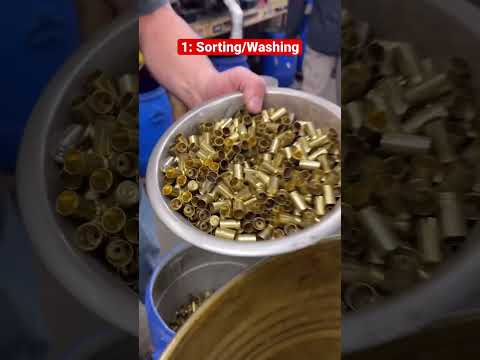
Verifying Headstamp Markings to Confirm Batch Origin and Age
Verifying headstamp markings is the first physical check for confirming batch origin and age when assessing surplus or remanufactured cartridges. The stamped code—typically a manufacturer symbol, lot number, and year digits—allows you to cross-reference production data against published reference guides. For military surplus, a two-digit year (e.g., “83”) 9.3x72R Ammo for Sale directly dates the casing, while a four-digit lot number traces the exact batch. Accurate headstamp verification prevents misfires from degraded propellant and ensures you aren’t buying reloaded rounds misrepresented as factory-new. However, some commercial makers omit year codes, requiring you to infer age from primer sealant color or case lacquer.
Q: Can headstamp markings alone confirm a cartridge’s age if the lot number is worn?
A: No—if the year digit is illegible, you must compare the remaining stamp pattern against known manufacturer archives; otherwise, the batch origin remains unverified.
When to Prioritize Premium Factory Loads Over Budget Options
Prioritize premium factory loads when your application demands absolute consistency, such as competitive shooting or ethical hunting at extended ranges. Budget options often exhibit wider velocity deviations and looser tolerances, which translate to unpredictable point-of-impact shifts. If you rely on a specific ballistic coefficient for long-distance calculations, premium factory loads justify their cost through batch-to-batch uniformity. Similarly, when using a precision rifle with a tight chamber, premium ammunition protects against pressure spikes that budget brass might cause. For defensive carry, premium loads ensure reliable expansion and function under stress; saving money here compromises terminal performance.
Choose premium factory loads when consistency, terminal performance, or exact ballistics are non-negotiable; budget ammunition suits practice or low-stakes plinking only.